Oakley: A Sweet Handwritten Font for Creative Projects
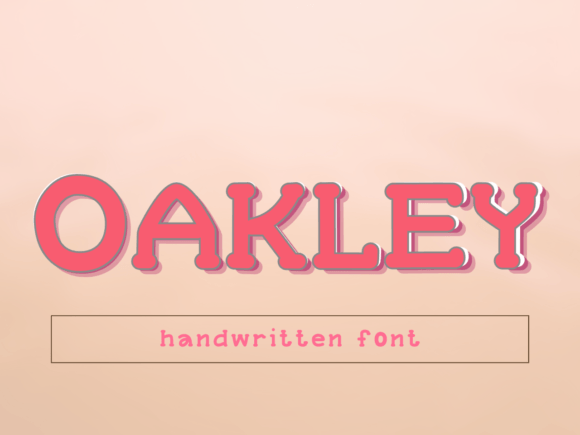
Imagine a typeface that feels like a friendly conversation written on paper. Oakley is a sweet and friendly handwritten font. Its natural and unique style makes it incredibly fitting to a large pool of designs. The only limit is your imagination. For graphic designers and creative professionals, finding a font that blends authenticity with versatility is a key step in elevating visual communication.
The Role of Authentic Typography in Modern Design
In today's digital landscape, where audiences crave genuine connection, typography is a powerful tool for establishing tone and personality. A handwritten font like Oakley injects a human touch into digital interfaces, breaking through the cold perfection of geometric sans-serifs. This authenticity is crucial for building a relatable brand identity. It helps in crafting a visual hierarchy that guides the viewer's eye while maintaining a warm, approachable aesthetic. Effective typography isn't just about being read; it's about being felt.
Practical Applications for Oakley
The strength of a creative asset lies in its adaptability. Oakley's friendly character makes it suitable for a wide range of projects, ensuring consistency across various touchpoints. Consider its use in:
- Branding and Logo Design: Perfect for brands aiming for a personal, artisanal, or lifestyle-oriented identity. It can create memorable logos that stand apart from corporate rigidness.
- Social Media Graphics: Enhances engagement on platforms like Instagram and Pinterest, where personal voice and visual appeal are paramount for digital marketing.
- Packaging Design: Adds a handcrafted, premium feel to product labels, especially for gourmet foods, cosmetics, or boutique goods.
- Editorial Layouts and Web Design: Works beautifully for pull quotes, subheadings, or accent text in magazines, blogs, and UI design to break monotony and add interest.
- Creative Projects: Ideal for invitations, greeting cards, merchandise, and digital products where a personal touch is desired.
Integrating Design Assets Effectively
Simply having a great font isn't enough; its impact depends on thoughtful integration into your overall design workflow. When using a distinctive typeface like Oakley, consider the following to maintain a professional presentation:
- Prioritize Readability and Scalability: Ensure the font remains legible at various sizes, from a large hero banner to small call-to-action text. Test it across different devices and resolutions.
- Establish Visual Hierarchy: Pair Oakley with a clean, neutral sans-serif or serif for body text. Use it selectively for headings, highlights, or key messages to avoid visual clutter.
- Consider Audience and Context: Align the font's style with your audience's expectations and the project's goals. A playful handwritten font may not suit a formal financial report but is perfect for a children's brand.
- Ensure Brand Consistency: Define clear usage guidelines for how and where the font will be used across all materials to strengthen brand recognition.
Building a Cohesive Visual System
Quality design is about harmony between all elements. Oakley should complement your chosen color palette, imagery, and composition. Its organic lines can soften bold color blocks or provide contrast against structured geometric layouts. When selecting any creative asset, evaluate its compatibility with your existing design systems and the message you wish to convey. The goal is to create a seamless user experience that feels intentional and polished, whether in print design or across digital platforms.
Ultimately, the tools you choose shape the story you tell. By thoughtfully selecting and applying versatile assets like the Oakley font, you empower your creative projects to communicate with clarity, personality, and impact, ensuring your designs not only look good but connect meaningfully with your audience.