Akimbo: Bold Typography for Modern Branding
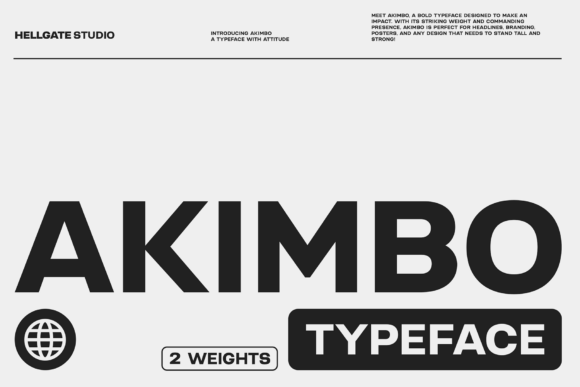
In the crowded landscape of digital design, a typeface can be the defining element that elevates a project from mundane to memorable. Akimbo is a trailblazer with two distinct variations exuding a contemporary aura, designed specifically for creators who need their typography to work as hard as their layouts. Boasting an audacious and sturdy personality, the Akimbo Font impresses with its sharp, top-tier design that effortlessly marries any color scheme. Loaded with user-friendly customization options, this remarkable font lets you change text and color with smooth finesse, resulting in a uniquely identifiable Akimbo aesthetic. For graphic designers and visual communicators, understanding the technical and stylistic strengths of a font like Akimbo is essential for maintaining high standards in visual design.
Understanding the Akimbo Aesthetic
Akimbo is not merely a collection of letters; it is a comprehensive typographic system built for impact. In the realm of graphic design, typefaces are often categorized by their ability to blend into the background or command attention. Akimbo falls firmly into the latter category. Its structural integrity makes it a powerhouse for visual hierarchy, ensuring that headlines, titles, and call-to-action text remain legible while exuding a modern, industrial vibe.
The two distinct variations allow for a layered approach to brand identity. Whether a designer is working on a minimalist tech startup or a bold streetwear label, the font’s adaptability ensures consistency across various touchpoints. This flexibility is a critical asset in professional typography, where a single type family often needs to perform multiple roles without losing its core character.
Practical Applications in Creative Projects
The true value of a creative asset lies in its versatility. Akimbo’s robust construction makes it suitable for a wide array of applications, bridging the gap between digital and print mediums. Its sharp geometry translates well across different resolutions, which is a vital consideration for web design and UI design.
Here are several key areas where Akimbo can transform a design workflow:
- Logo Design and Branding: A logo sets the tone for a business. Akimbo’s sturdy personality provides a solid foundation for logos that need to project stability and confidence.
- Social Media Graphics: On platforms like Instagram and TikTok, users scroll quickly. The bold nature of Akimbo grabs attention instantly, making it ideal for headers and overlays in digital marketing.
- Editorial Design: In magazines or blogs, the font can be used for pull quotes and chapter titles to break up long blocks of text and inject energy into the page layout.
- Packaging Design: When consumers browse shelves, packaging needs to speak quickly. Akimbo’s distinct lines ensure product names are readable even from a distance.
- Advertising Campaigns: Whether for print posters or digital banners, the font’s contemporary aura helps modernize campaign visuals.
Integrating Typography with Color and Composition
Typography does not exist in a vacuum; it interacts constantly with other elements like color and imagery. One of Akimbo’s standout features is how effortlessly it marries with different color palettes. Because of its clean, sharp edges, it pairs exceptionally well with vibrant gradients as well as monochromatic schemes. Designers can experiment with color fills without worrying about legibility issues that often plague more ornate fonts.
Furthermore, when considering visual communication, the spacing and weight of a typeface play a significant role. Akimbo allows for tight kerning in headlines, creating a compact, powerful look, or open tracking for a more airy, sophisticated feel. This adaptability is crucial for user experience (UX), ensuring that text is not just seen, but read with ease.
Enhancing the Design Workflow
Efficiency is a priority in any design workflow. Creative professionals often seek assets that reduce the time spent on technical adjustments. Akimbo’s design prioritizes usability. Its clean vectors and distinct shapes mean it scales perfectly from a small mobile screen to a large-format trade show banner. This scalability is a significant advantage for businesses that operate across multiple channels, from web design to print design.
When selecting a typeface for a project, designers must evaluate factors such as licensing, file format compatibility, and stylistic longevity. Akimbo addresses these needs by offering a modern aesthetic that aligns with current design trends while possessing the structural durability to remain relevant over time. It serves as a tool for professional presentation, ensuring that pitch decks and client proposals look polished and intentional.
Tips for Effective Typographic Usage
To maximize the impact of Akimbo, consider the context of your visual design. Here are a few recommendations for implementation:
- Establish Hierarchy: Use Akimbo for headers and sub-headers to create a clear distinction between primary information and supporting body text.
- Contrast is Key: Pair Akimbo with a simple sans-serif or serif font for body copy to ensure the headlines stand out without competing for attention.
- Whitespace Management: Because Akimbo is bold, ensure there is enough negative space around the text to prevent the design from feeling cluttered.
Ultimately, the goal of any creative project