Anona: A Sweet, Delicate Handwritten Font for Elegant Design
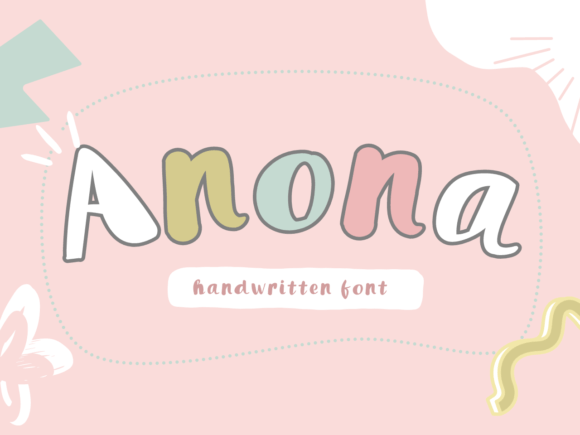
In the world of graphic design, the right typeface does more than convey words—it sets a mood, tells a story, and creates an immediate emotional connection. For projects that demand a touch of warmth, romance, and authenticity, a font like Anona becomes an invaluable creative asset. This sweet and delicate handwritten font brings a dainty, joyful character that can transform ordinary designs into memorable, personalized experiences.
The Role of Handwritten Fonts in Modern Visual Design
Typography is a cornerstone of visual communication, and handwritten styles occupy a special niche. They bridge the gap between the polished formality of traditional serif and sans-serif fonts and the raw, human touch of actual handwriting. Anona exemplifies this balance beautifully. Its flowing, gentle curves and slight irregularities mimic natural penmanship, infusing designs with personality and approachability. This makes it particularly effective in contexts where brands and creators want to feel relatable, intimate, and genuine.
From a professional standpoint, using a font like Anona is a strategic choice for enhancing brand identity. It can soften a corporate image, add whimsy to a product line, or elevate the perceived value of handmade goods. Its visual impact lies in its ability to evoke specific emotions—joy, nostalgia, elegance, or care—that align directly with a brand's messaging and audience expectations.
Practical Applications Across Creative Projects
The versatility of a well-crafted handwritten font extends far beyond simple decoration. Anona’s romantic and personalized touch makes it a powerful tool across numerous design disciplines and marketing materials.
- Branding and Logo Design: Perfect for boutique businesses, wedding planners, artisanal products, or lifestyle brands seeking a friendly, curated aesthetic. It can be used in a logo or as a complementary typeface for taglines and accents.
- Marketing and Social Media: Ideal for creating engaging social media graphics, email headers, and digital ads that need to stand out with a personal feel. It works wonderfully for quotes, announcements, and call-to-action text.
- Editorial and Packaging Design: Adds a elegant, handcrafted quality to book covers, magazine layouts, product labels, and gift packaging, enhancing the unboxing experience and shelf appeal.
- Web and UI Design: When used sparingly and strategically, it can highlight special sections, buttons, or testimonials on a website, improving user engagement without compromising readability for body text.
- Invitations and Stationery: As noted, its core strength shines in wedding invitations, greeting cards, and event stationery, where a custom, heartfelt touch is paramount.
Integrating Anona into Your Design Workflow
Successfully incorporating a specialty font like Anona into your projects requires thoughtful consideration. It’s not just about aesthetic appeal; it’s about functional harmony within your overall design system.
Prioritize Readability and Hierarchy: While Anona excels at adding flair, it should be used for headlines, short phrases, or accent text. Pair it with a clean, highly legible sans-serif or serif font for body copy to maintain a clear visual hierarchy and ensure your message is easily consumed.
Consider Context and Audience: Evaluate if the font's personality matches your project's goals and target demographic. Its joyful, delicate nature is perfect for romantic or celebratory themes but may not align with a serious financial report or a high-tech product launch.
Ensure Technical Compatibility: Always check the font’s licensing for your intended use—whether for digital, print, or merchandise. Test its performance in your design software, paying attention to kerning and how it renders at different sizes to guarantee a professional presentation.
Pair Thoughtfully with Other Elements: Build a cohesive visual system by selecting a color palette and imagery that complements the font's character. Soft pastels, muted tones, and natural textures often pair beautifully with a delicate handwritten style, reinforcing the intended aesthetic.
In an era where digital communication can feel impersonal, the intentional use of typography like Anona offers a powerful solution. It reminds us that design is not just about information delivery but about crafting an experience. By choosing creative assets that resonate emotionally, designers and business owners can significantly enhance their visual communication, strengthen brand recall, and create a lasting, positive impression that truly connects with their audience.