Paletone: A Hand-Lettered Font for Organic Design
Why Paletone Resonates in Modern Design
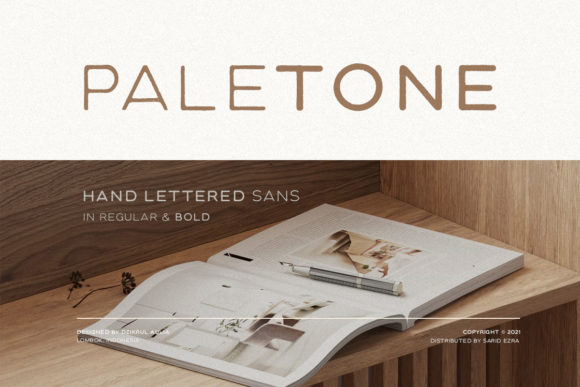
Contemporary design trends heavily favor authenticity and natural aesthetics. Paletone directly addresses this shift. Unlike rigid digital fonts, its slightly irregular letterforms mimic the natural variance of hand-drawn text, making it ideal for projects that aim to feel personal, trustworthy, and approachable. This characteristic is invaluable for graphic design and branding initiatives where establishing a genuine tone is paramount. The font’s inherent simplicity also makes it exceptionally versatile, ensuring it supports rather than overwhelms your core message.
Practical Applications for Creative Projects
The true strength of a typeface like Paletone lies in its adaptability across diverse creative projects. Its balanced personality makes it suitable for both large-scale applications and detailed work.
- Brand Identity & Logo Design: Paletone excels at creating logos and brand marks that feel custom-crafted. Its organic nature helps startups and lifestyle brands stand out with a unique, artisanal character that builds instant recognition.
- Marketing & Social Media Graphics: For digital marketing, particularly on platforms like Instagram and Pinterest, Paletone enhances readability while adding visual warmth. It pairs beautifully with earth tone color palettes, making it perfect for quotes, promotional graphics, and carousel posts that demand engagement.
- Web & UI Design: In user interface design, Paletone can soften a digital experience. Use it for headings, buttons, or featured text in web design to guide users with a friendly, intuitive visual hierarchy that improves overall UX design.
- Packaging & Print Design: The font’s handmade aesthetic translates perfectly to physical products. It enhances packaging design for organic goods, artisanal foods, or cosmetics, and adds a personal touch to editorial design and stationery.
Integrating Paletone into Your Design Workflow
Selecting a font is a strategic decision. When evaluating Paletone for a project, consider these practical tips to ensure it aligns with your goals:
- Assess Readability & Scalability: Test the font at various sizes. While Paletone is clear, its hand-lettered details are best showcased in headlines, subheadings, and featured text. For long-form body copy, pair it with a simple, highly legible sans serif.
- Curate a Complementary Color Palette: As noted, Paletone harmonizes exceptionally well with earth tones—think terracotta, olive, sand, and muted blues. This synergy strengthens a natural, cohesive brand identity. Use a color palette generator to find analogous or complementary shades.
- Establish Visual Hierarchy: Use Paletone for key focal points in your layout. Its distinctive character will naturally draw the eye, allowing you to structure information flow effectively in print design or digital layouts.
- Maintain Brand Consistency: If deploying Paletone across a brand system, document its usage rules. Specify when and where to use it to ensure consistency across all touchpoints, from social media graphics to advertising campaigns and presentations.
Elevating Communication with Thoughtful Typography
Typography is the voice of your design. Choosing a font like Paletone is not merely an aesthetic decision; it’s a communication strategy. It tells your audience that your brand values authenticity, clarity, and human connection. By integrating this versatile, hand-lettered sans serif into your toolkit, you empower your visual design to be both beautiful and deeply effective, turning every creative project into an opportunity to build stronger, more meaningful engagement.