Nevil: A Quirky Font for Modern Design Projects
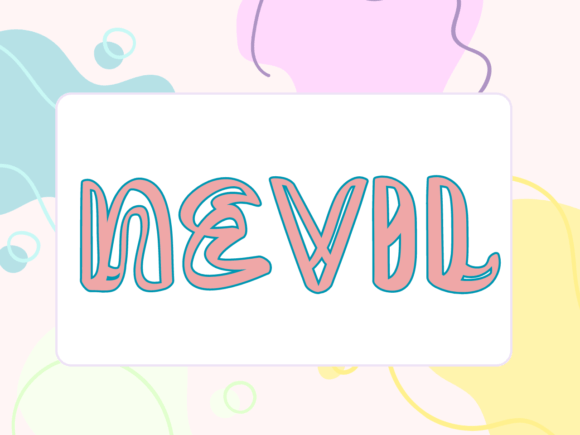
In a world saturated with predictable typefaces, a font with genuine personality can be the secret weapon in a designer's toolkit. Enter Nevil, a unique and interesting font that masterfully blends a touch of the unconventional with remarkable versatility. A little bit quirky, this font looks incredibly adept in a wide variety of contexts, offering a fresh voice for creative projects that demand to be noticed. Its distinct character stems from subtle, unexpected curves and letterform variations that inject energy without sacrificing readability, making it a standout choice in the realm of typography.
The Role of Unique Typography in Visual Design
Typography is the backbone of visual communication. The right typeface does more than just present words; it sets a tone, conveys emotion, and guides the viewer's eye. In modern graphic design, where capturing attention is paramount, a font like Nevil becomes a powerful asset. Its quirky nature helps break through visual noise, creating memorable brand identities and engaging user experiences. Unlike overly rigid or generic fonts, Nevil’s personality can make a brand feel more human, approachable, and creative, directly influencing user engagement and perception.
Practical Applications for Nevil's Distinct Character
The true test of a creative asset is its adaptability. Nevil’s balanced quirkiness allows it to shine across numerous applications, enhancing both digital and print design workflows.
Branding and Logo Design
For brands aiming to project innovation, friendliness, or a creative spirit, Nevil can form the cornerstone of a compelling brand identity. It works beautifully for logos, taglines, and brand guidelines where a unique voice is essential. When paired with a clean, complementary sans-serif or serif for body text, it establishes a strong and cohesive visual hierarchy.
Digital and Print Media
Its clarity at various sizes makes Nevil a versatile player in your design toolbox. Consider it for:
- Social Media Graphics: Create eye-catching headlines and quotes that stop the scroll.
- Website and UI Design: Use it for impactful headers, hero sections, or calls-to-action to draw attention. Its personality can enhance the user experience without compromising functionality.
- Editorial Layouts & Presentations: Bring life to magazine headlines, book covers, or professional presentations, ensuring key messages are delivered with flair.
- Packaging & Advertising: Help products stand out on shelves and in campaigns with a typographic choice that feels both modern and distinctive.
Tips for Effective Typographic Selection
Integrating a font with as much character as Nevil requires thoughtful consideration to ensure it enhances rather than overwhelms your design. Here are key factors to evaluate:
- Readability and Scalability: Always test the font in context. Ensure Nevil remains legible at both large display sizes and smaller text passages relevant to your project.
- Audience and Context: Align the font’s personality with your audience's expectations. Its quirkiness is perfect for creative industries, youth-oriented brands, or innovative tech, but may be less suited for ultra-conservative fields.
- Harmony with Other Elements: Consider how Nevil interacts with your color palette, imagery, and layout. A strong typographic choice should complement the entire composition, not fight with it. Pair it with simpler fonts for body copy to maintain a professional presentation.
- Consistency in Brand Systems: If using Nevil for branding, document its usage clearly. Define where and how it should be applied to maintain a consistent brand voice across all touchpoints, from digital marketing to print design.
Ultimately, the most effective design stems from intentional choices that serve both form and function. Fonts like Nevil provide the tools to inject originality and visual impact into creative projects, proving that typography is not just about the words themselves, but about how they make people feel. By selecting quality creative assets that align with your design goals, you elevate the entire aesthetic and communicative power of your work, ensuring it resonates deeply with its intended audience.