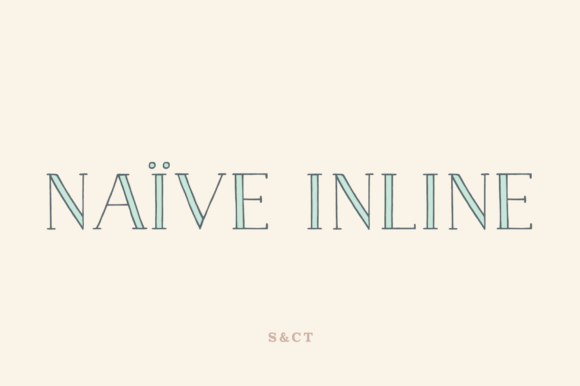
Naive Inline: Layered Serif for Modern Branding
Finding a typeface that balances distinctive character with functional versatility is a common challenge for designers. Naive Inline, a layered serif handwritten font, offers a compelling solution by merging organic charm with structured elegance. Designed by Fanny Coulez and Julien Saurin, this typeface system provides a unique toolkit for creating memorable visual communication.
Understanding the Naive Inline System
At its core, Naive Inline is built with three weights to ensure excellent readability across various sizes. Its true innovation, however, lies in its layered architecture. Designers can superimpose these weights with five different interior patterns and three shadow options. This method allows for the creation of rich, textured typography with a handcrafted feel, simply by managing layers in compatible software like Adobe Photoshop. Each layer can be assigned a distinct color, enabling endless customization.
This approach moves beyond static fonts, offering a dynamic design asset. It supports a workflow where typography becomes an active component of the visual hierarchy, capable of adding depth, personality, and a charming, unusual feeling to any project.
Practical Applications in Design Projects
The flexibility of Naive Inline makes it suitable for a wide range of creative applications. Its layered nature allows it to adapt to different aesthetic goals, from playful and whimsical to sophisticated and editorial.
- Branding and Logo Design: Create unique, multi-dimensional logos that stand out. The pattern layers can reinforce brand attributes, while the handwritten serif base maintains approachability.
- Marketing & Social Media Graphics: Design eye-catching headers, quotes, and promotional materials. The texture and color options help posts pop in crowded feeds, enhancing engagement.
- Editorial & Web Design: Use for impactful pull quotes, chapter headings, or website hero text. It adds visual interest without compromising on clarity when set at appropriate sizes.
- Packaging & Merchandise: The tactile quality of the patterns translates beautifully to physical products, lending a crafted, artisanal quality to labels and apparel.
- Presentation & Advertising: Elevate slide decks and campaign materials with typography that conveys effort and creativity, supporting a professional presentation.
Tips for Effective Implementation
Integrating a specialized font like Naive Inline requires thoughtful execution to maximize its impact. Consider these factors during your design process:
- Consistency is Key: While the font is versatile, establish rules for its use within a brand system. Decide on primary color combinations for the layers and specific contexts where its unique textures are most appropriate to maintain visual cohesion.
- Prioritize Readability: The handwritten style and inline patterns are best suited for display sizes. For body text, pair it with a clean, complementary sans-serif or serif font to ensure optimal UX design and readability.
- Leverage Color Thoughtfully: The layering system means color choices directly affect legibility and mood. Test color palettes for contrast and harmony, ensuring text remains accessible against various backgrounds.
- Align with Audience Expectations: This font's charming aesthetic suits brands targeting audiences who value creativity, authenticity, and a personal touch. It may be less suited for highly corporate or formal contexts.
Ultimately, selecting the right creative assets is about more than just aesthetics; it's about choosing tools that solve communication challenges and enhance the user experience. Naive Inline exemplifies how modern typography can be both functional and expressive, providing designers with a resource that supports innovative branding and elevates the quality of visual storytelling across digital and print media. Thoughtful design choices, informed by project goals and audience, transform good concepts into great, professional results.